









Because today true luxury is buying better, not buying more
In a world shaped by economic uncertainty, shifting trade conditions, rising prices, and a constant flood of products and content, the meaning of luxury is changing. Across fashion and retail, consumers are becoming more cautious, more selective, and more focused on value than they were just a few years ago. Recent industry analysis points to a clear shift: luxury customers are pushing back against price-led growth and increasingly looking for craftsmanship, creativity, and trust instead. (McKinsey & Company)

For a long time, luxury was often associated with abundance. More products, more collections, more visibility, more status. But that model no longer feels as convincing as it once did. Today, real luxury is becoming something quieter and more intelligent. It is about buying with intention. It is about choosing pieces with substance, products that feel authentic, useful, well made, and worth keeping. This change is also happening because consumers globally remain cautious about spending, and many are reassessing what truly deserves their money. (Forbes)

Buying better does not mean abandoning beauty or desire. It means refining them. A luxury purchase should offer more than a logo or a moment of impulse. It should offer design integrity, quality materials, thoughtful craftsmanship, and a sense that the piece has a place in your life beyond a single season. That is especially relevant now, as industry reports describe a luxury market under pressure from macroeconomic headwinds and changing client expectations. (McKinsey & Company)

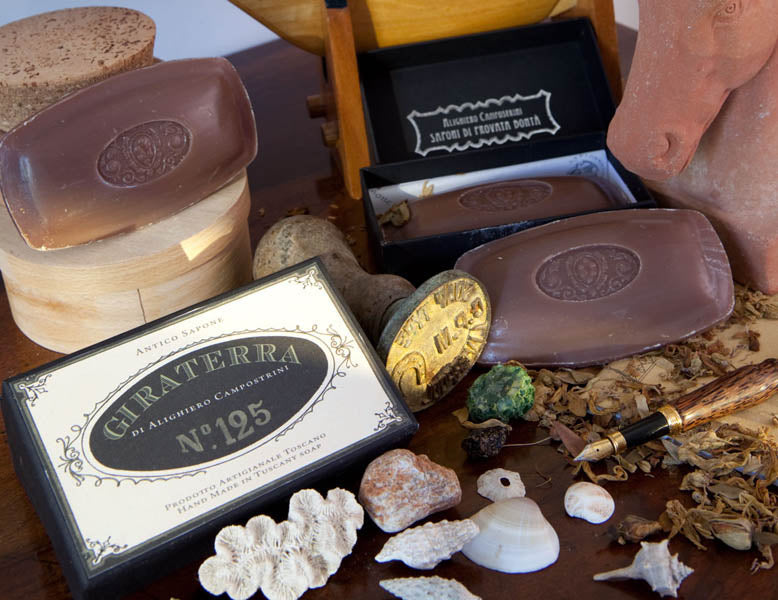
This is why craftsmanship matters more than ever. When customers become more selective, they naturally start asking different questions. Who made this product? Where does it come from? Does it feel durable? Is the finish refined? Is this something I will still value in a year, or in five years? McKinsey’s 2026 fashion outlook notes that brands are refocusing on creativity and craftsmanship to rebuild client trust, which says a great deal about where the market is moving. (McKinsey & Company)
Authenticity has also become central. In a crowded digital environment, trust is part of the luxury experience. Customers want reassurance that what they are buying is genuine, carefully sourced, and presented by a business that understands the product beyond surface-level marketing. This is particularly important in online luxury retail, where confidence must be earned through transparency, curation, and consistency. Retail commentary in 2026 has repeatedly highlighted that clear communication and trust are now essential to customer retention. (Forbes)

There is also a deeper emotional change taking place. Many consumers are becoming less interested in accumulation and more interested in meaning. Instead of asking, “How much can I buy?”, they are asking, “What is worth buying?” That shift does not weaken luxury. It strengthens it. Because true luxury has never been about excess alone. At its best, it has always been about excellence, rarity of quality, beauty of execution, and the pleasure of living with something exceptional. FAQs.
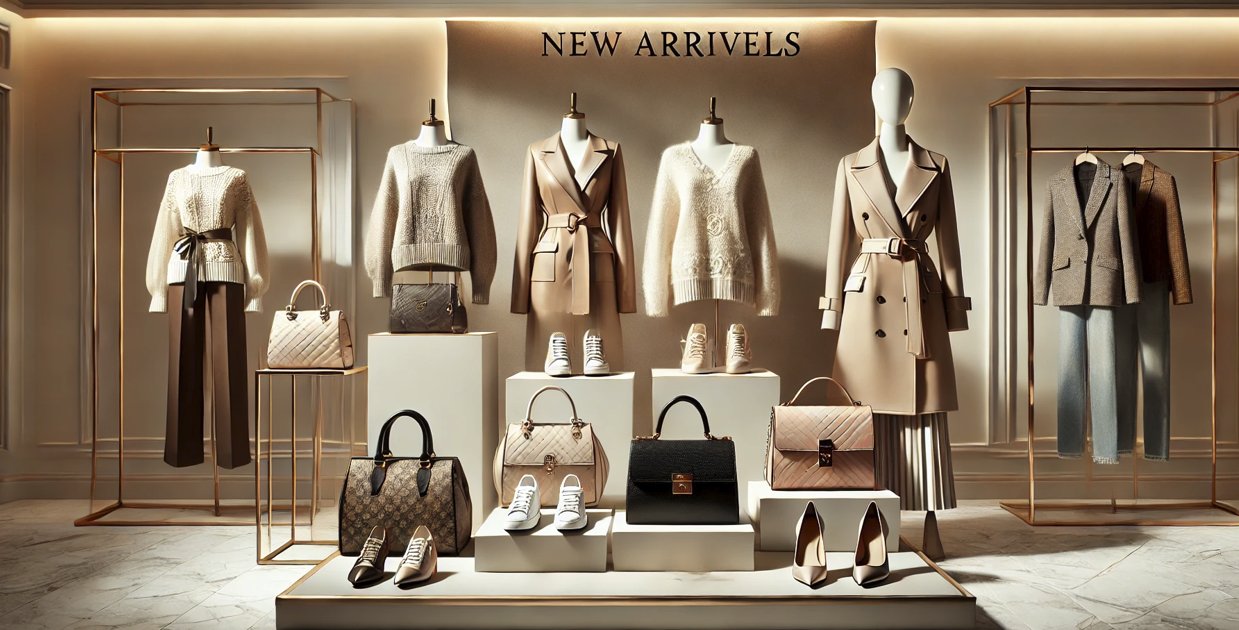
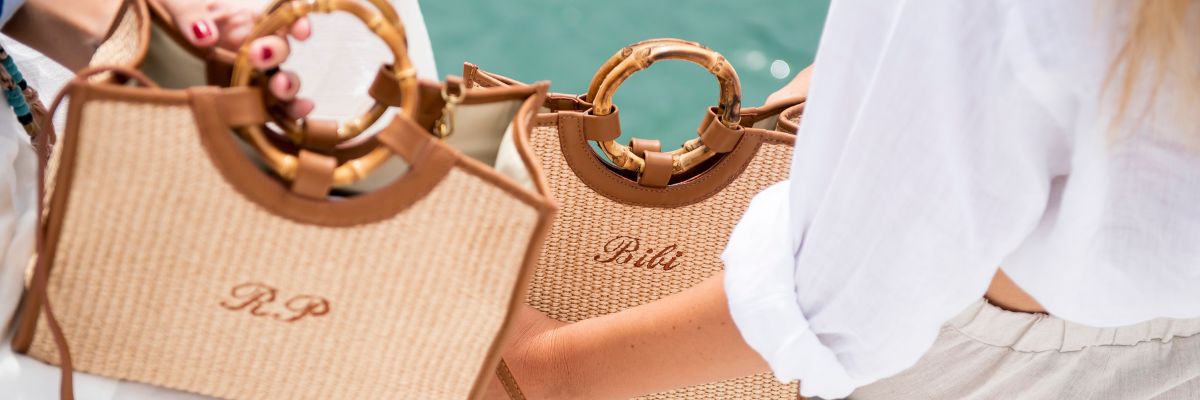
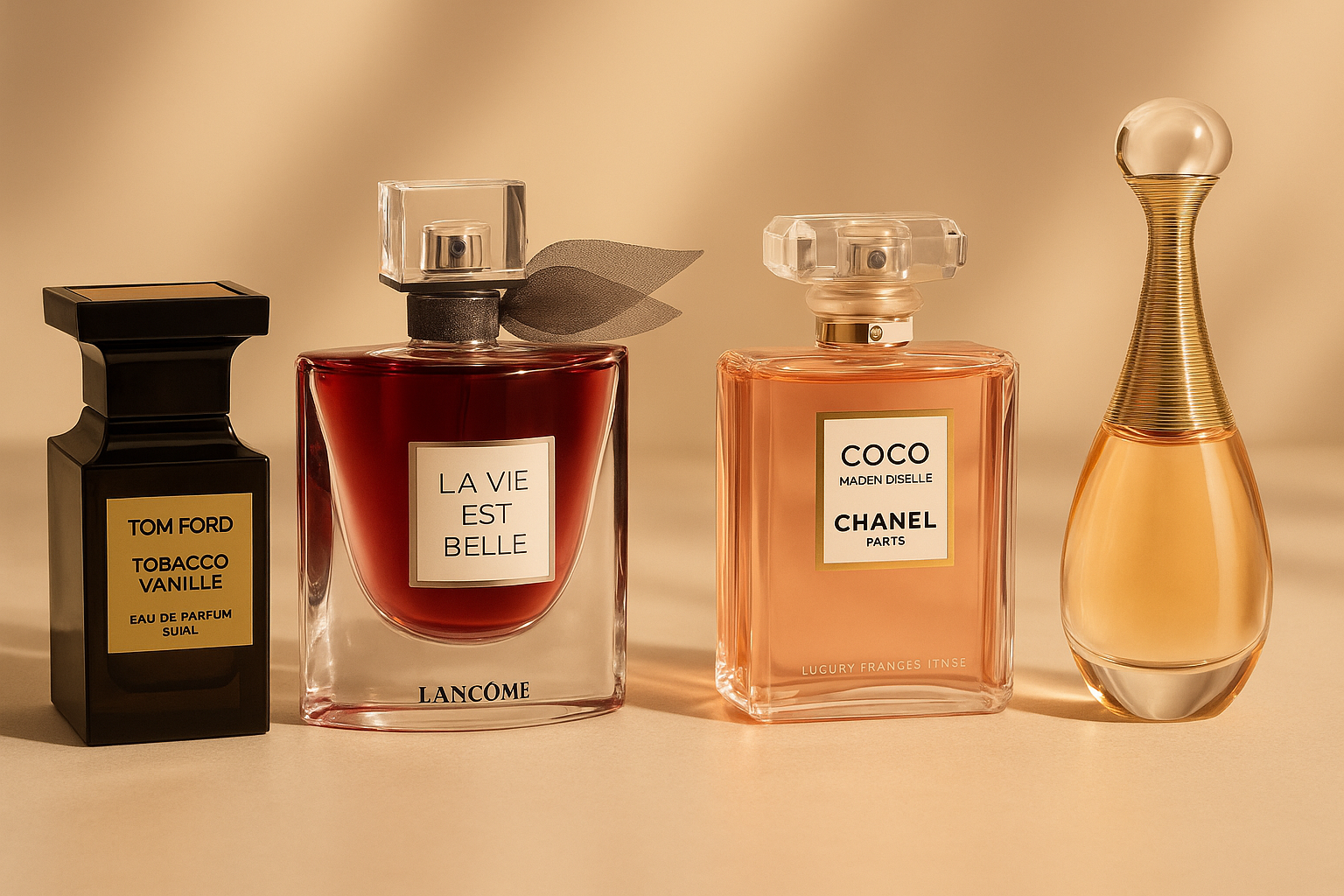
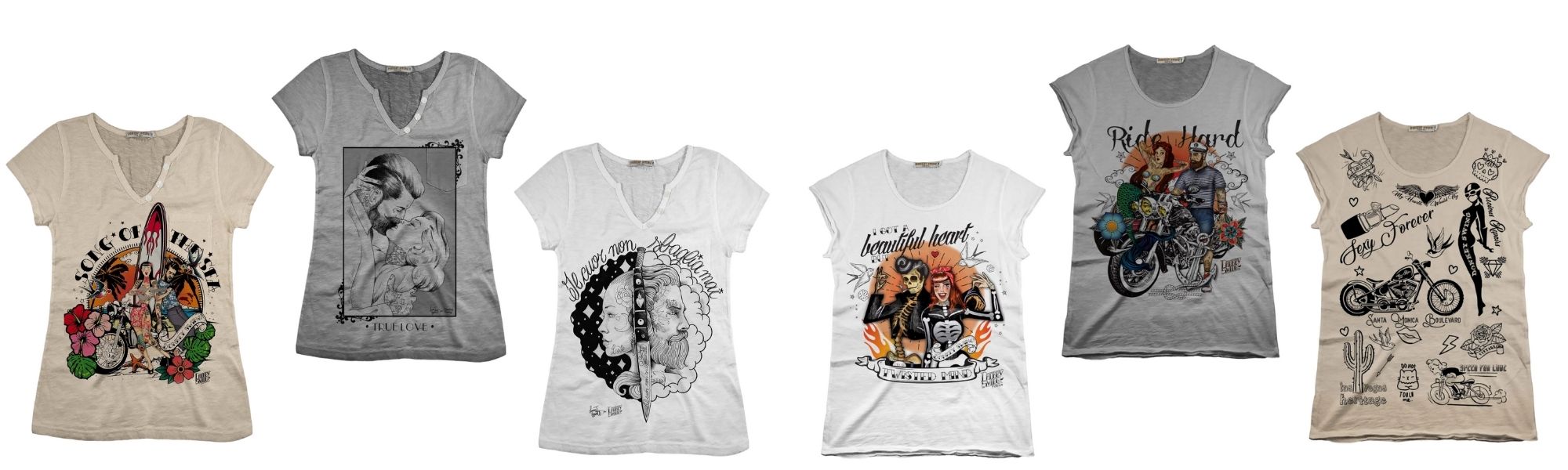
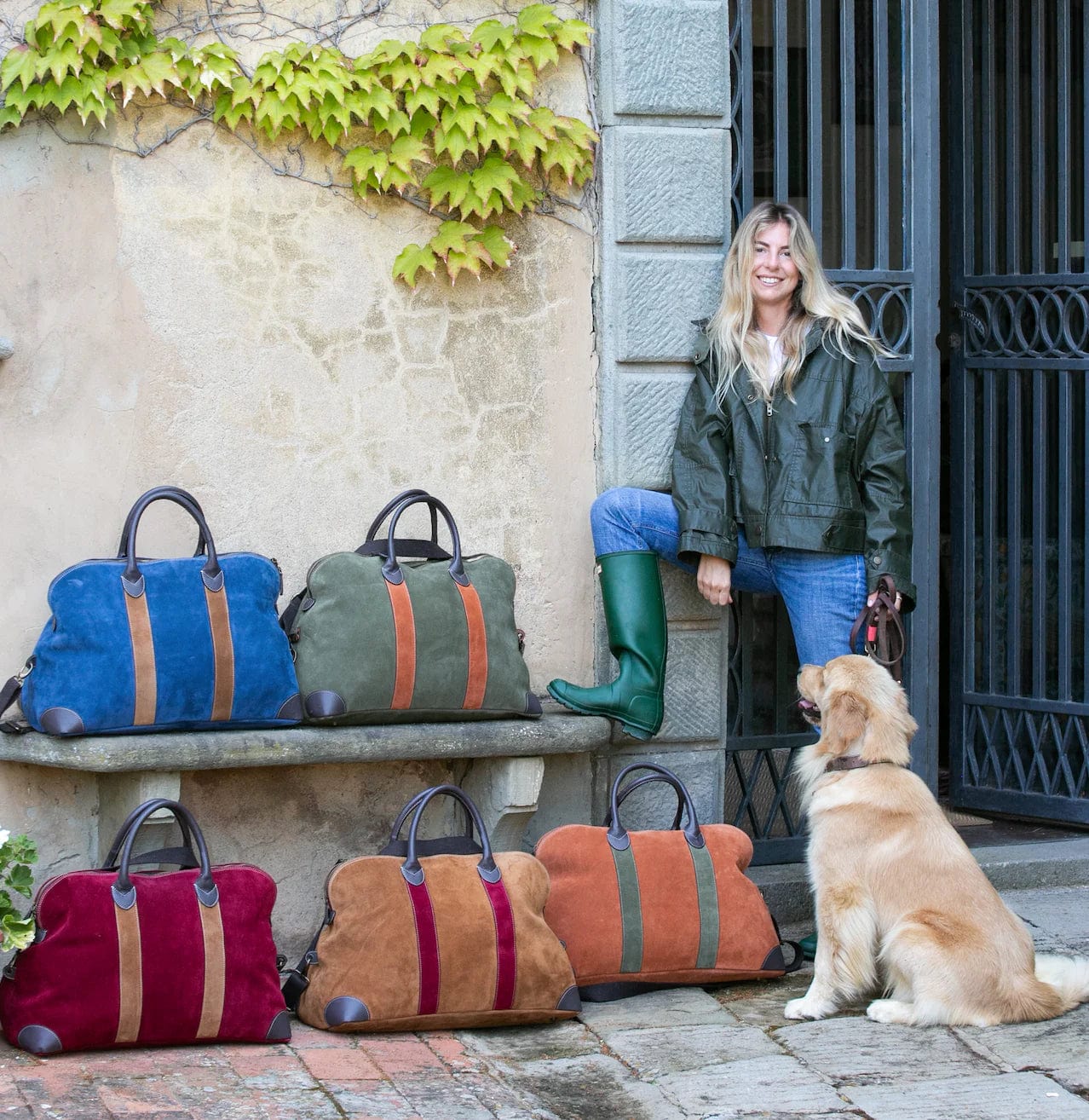
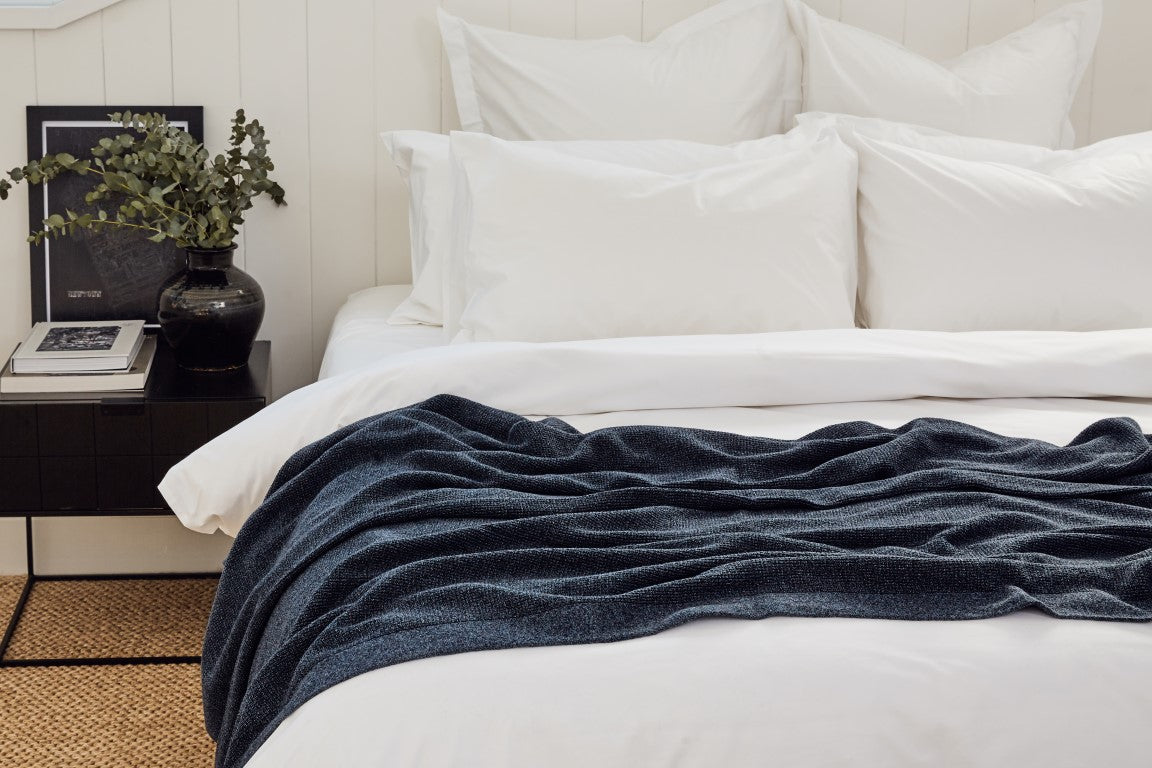
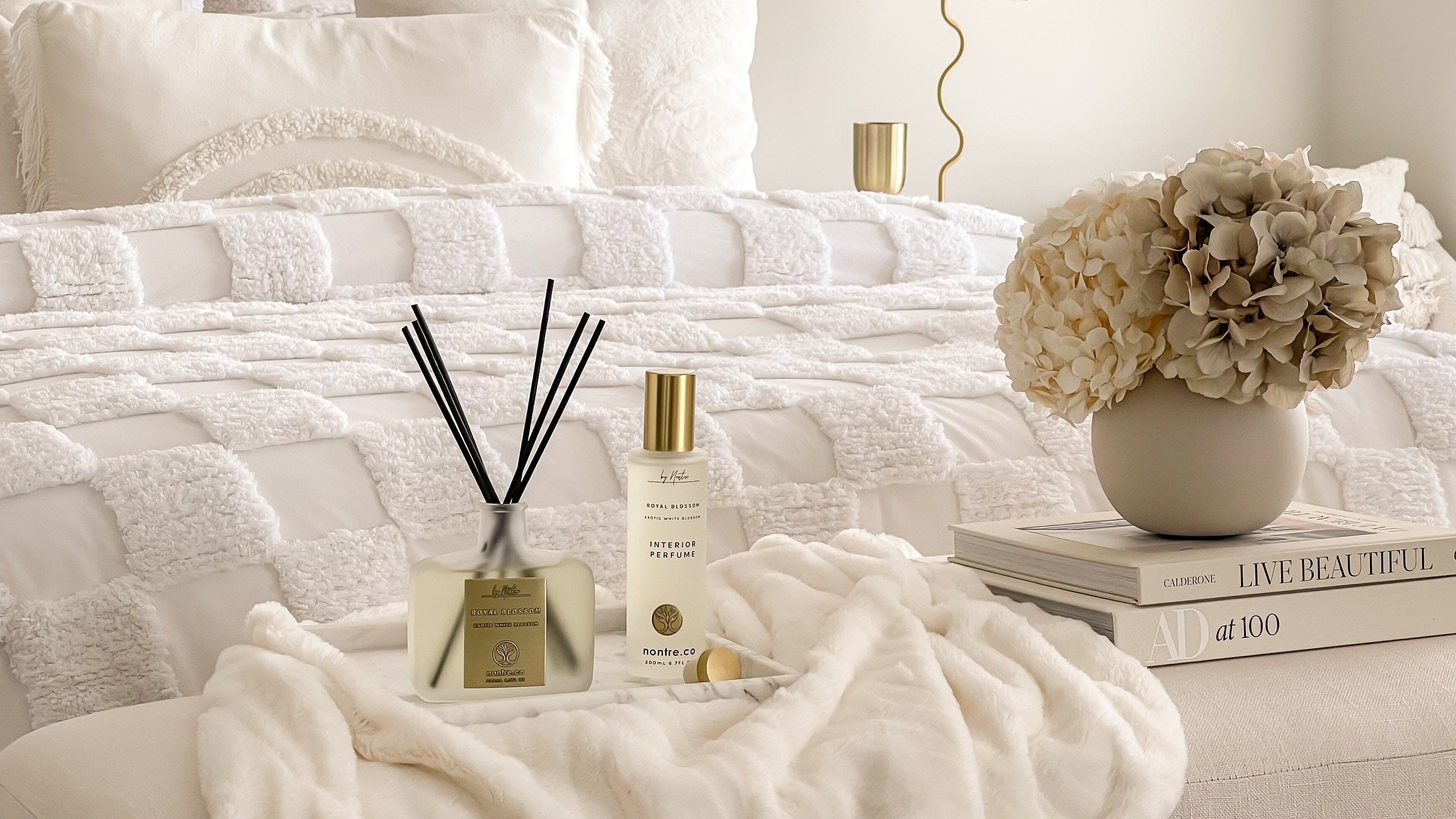
In this environment, buying better means choosing products that combine aesthetic value with lasting relevance. A beautifully made leather bag, a well-constructed accessory, a refined home fragrance, or an elegant object for everyday use can still feel indulgent, but in a more grounded and personal way. The luxury of today is less about display and more about discernment.
It also means understanding value beyond price. Price still matters, especially in a period when consumers are more careful and more aware of market volatility. Recent retail reporting shows that price sensitivity has intensified, but the answer is not simply to buy the cheapest option. It is to understand what justifies the price: the quality of materials, the craftsmanship, the design, the originality, and the experience around the product. (Forbes)

For luxury retailers and brands, this creates a challenge but also a major opportunity. The businesses that will stand out are not the ones that push more noise into the market. They are the ones that communicate substance clearly. They are the ones that explain why a product matters, how it was made, and why it deserves a place in a customer’s life. In other words, the future of luxury belongs to those who help people buy with more confidence, not more confusion.
At Italian Luxury Group, this vision feels especially relevant. Luxury should not be reduced to excess or impulse. It should be curated with care. It should reflect authenticity, craftsmanship, and a deeper respect for quality. In today’s world, where uncertainty has made consumers more thoughtful and selective, the most powerful kind of luxury is not buying more. It is buying better.

And perhaps that is the most elegant shift of all.
Explore a curated world of authentic luxury, where craftsmanship, design, and quality matter more than excess. Discover Italian Luxury Group.
- Why luxury consumers are becoming more selective
- Craftsmanship, authenticity, and long-term value
- The future of luxury is thoughtful, not excessive
Italian Luxury Group FAQs.
Written by AM, with insights inspired by industry reporting from Forbes, McKinsey, and other leading publications.
發表評論